Subvención Global ID #186
Objetivo del Proyecto:
To promote the holistic development and inclusion of children ages 0 to 6 who belong to socioeconomic strata 1, 2, and 3, come from low-income families, and have neurodevelopmental disorders, through an early intervention program that strengthens their abilities, fosters their active participation in family, educational, and community settings, and contributes to the creation of a more inclusive society that is aware of and committed to respecting diversity and guaranteeing their rights.
País / Ubicación: Colombia (Medellin)
Área de Interés: Prevención y Tratamiento de Enfermedades
Año de Implementación: 2027
Presupuesto Total del Proyecto:
Fondeo Solicitado (Lo que falta):
Diseño del Proyecto:
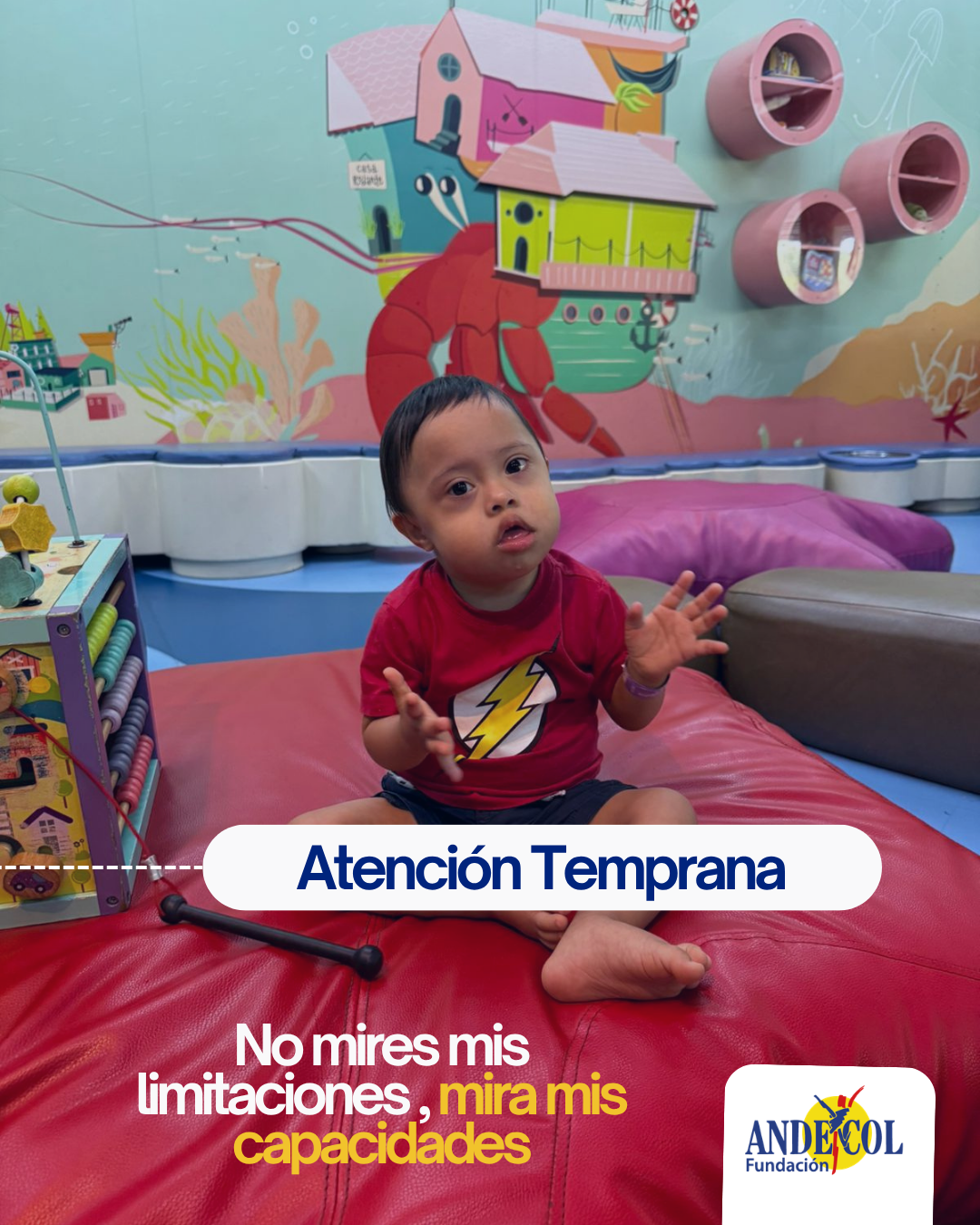
The project “Early Intervention: A Support Strategy for Children with Disabilities and Their Families,” led by the Andecol Foundation, aims to provide comprehensive and interdisciplinary care to children ages 0 to 6 with neurodevelopmental disorders and their primary caregivers.
The project “Early Intervention: A Support Strategy for Children with Down Syndrome, Intellectual Disabilities, and Their Families,” led by the Andecol Foundation, aims to provide comprehensive and interdisciplinary care to children between the ages of 0 and 6 with disabilities and neurodevelopmental disorders who belong to families in socioeconomic strata 1, 2, and 3, strengthening their holistic development and the role of their caregivers as key actors in the intervention process. Early intervention is essential for children with intellectual disabilities and Down syndrome because it supports their development during the first years of life, a critical stage for learning. Timely intervention strengthens cognitive, motor, communication, and social skills; promotes autonomy; and provides families with tools to support the developmental process, thereby improving opportunities for inclusion and quality of life.
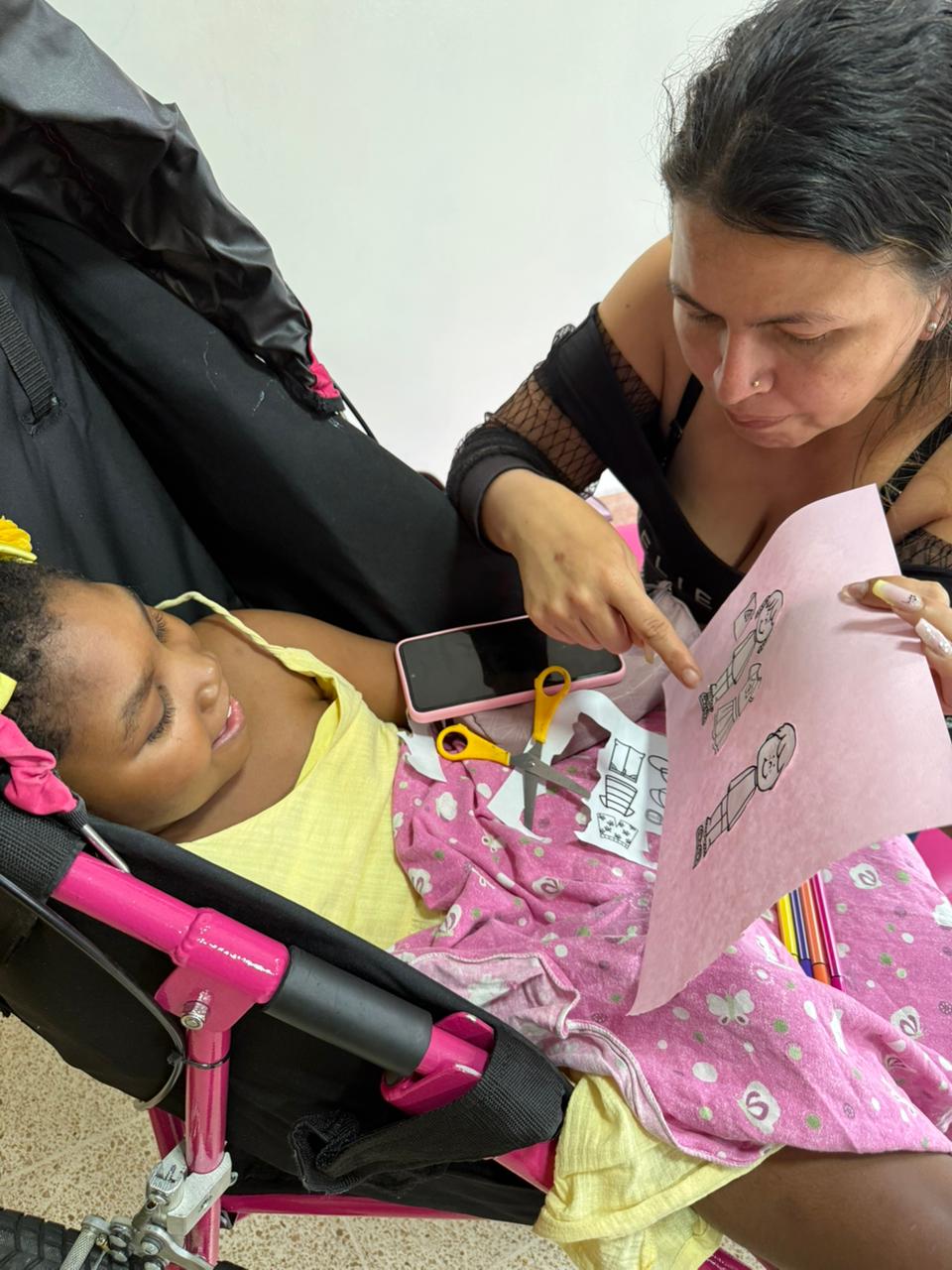
To this end, the project includes identifying and characterizing the beneficiary population, conducting interdisciplinary assessments, developing individualized intervention plans, providing individual and group therapy sessions, offering family support, conducting home visits, holding training workshops, and implementing interventions in natural settings. These actions seek to enhance children’s communication, motor, cognitive, and socio-emotional skills, fostering their active participation in family, educational, and community settings.
Furthermore, the project aims to reduce the economic, social, and access barriers to specialized services faced by families, ensuring the continuity of early intervention processes by providing transportation grants to beneficiaries who need them. The goal is to facilitate attendance at these interventions, promote inclusion in family, educational, and community settings, and help strengthen the autonomy and quality of life of the children and their families.
Beneficiarios:
The project will benefit children between the ages of 0 and 6 with disabilities and neurodevelopmental disorders, such as Down syndrome, intellectual disabilities, developmental delays, and other related conditions, who come from families in socioeconomic strata 1, 2, and 3. It will also include their primary caregivers and other members of the immediate family, recognizing their fundamental role in early intervention and child development.
Direct beneficiaries:
60 children who will receive comprehensive, interdisciplinary early intervention services.
60 primary caregivers who will participate in training, guidance, and family support programs.
Indirect beneficiaries:
60 secondary caregivers or members of the immediate family, who will benefit from strategies to strengthen families and support the children’s development.
Estimated total: 180 beneficiaries.
Sostenibilidad:
The project’s sustainability will be supported by a resource management strategy that includes coordination with public and private entities, participation in national and international cooperation calls for proposals, the management of donations and strategic partnerships, as well as the ongoing contribution of the Andecol Foundation’s own resources.
It is important to note that the Early Intervention program is already up and running and is part of the Foundation’s permanent service offerings. It currently benefits children with disabilities and neurodevelopmental disorders, as well as their families, through assessment processes, interdisciplinary intervention, and family support. However, demand for the service continues to rise, especially among families in socioeconomic strata 1, 2, and 3, who face financial barriers and difficulties in accessing and maintaining continuity in specialized therapeutic processes. In this context, the requested support will make it possible to expand the program’s coverage, strengthen the interdisciplinary team, provide transportation scholarships to reduce barriers to access, and ensure that a greater number of beneficiaries can continue participating in the program.
As a demonstration of its commitment to comprehensive care, the Andecol Foundation will co-fund the project using its own resources derived from institutional surpluses and allocations for physical infrastructure, staffing, specialized equipment, administrative services, and human resources, thereby covering a significant portion of the operating costs. This contribution demonstrates institutional shared responsibility and strengthens the program’s financial viability and sustainability in the medium and long term.
Furthermore, the project aims to build lasting capacities within families through training, guidance, and support, strengthening their ability to implement strategies for stimulation and developmental support in everyday settings. In this way, it promotes the continuity of the progress made by the children, even outside of therapeutic settings.
The Andecol Foundation has 27 years of experience in providing comprehensive care for individuals with Down syndrome, intellectual disabilities, and other neurodevelopmental disorders. In addition, it has adequate physical infrastructure, established intervention methodologies, and extensive experience in developing programs focused on social, educational, and community inclusion, which ensures the technical, operational, and administrative capacity needed for the implementation and sustainability of this project.
Colaboradores:
Monitoreo y Evaluación:
The project will include a monitoring and evaluation process that will measure the scope, quality, and outcomes of the care provided to children and their families. As a standardized measure, we will use the number of beneficiary children receiving early intervention services, as well as the number of primary caregivers participating in guidance and training programs.
We will track the number of children identified, assessed through an interdisciplinary approach, and served; the number of therapy sessions conducted; attendance and retention in the program; the number of families benefiting from support and workshops, home visits, and interventions in natural settings; as well as the number of beneficiaries receiving transportation assistance.
To evaluate the results, progress toward the objectives established in the individualized intervention plans will be monitored, identifying improvements in children’s motor, communication, cognitive, socio-emotional, autonomy, and participation skills, in accordance with their individual characteristics and needs.
For families, the evaluation will assess the strengthening of caregivers’ knowledge and skills to support their children’s development and promote their participation in various settings. Data will be collected through care records, attendance records, interdisciplinary assessments, follow-up on intervention plans, records of workshops and home visits, and family satisfaction surveys.
At the end of the project, initial and final results will be compared to determine the level of achievement of the goals and to demonstrate the changes observed in the children and their families.
Club: Club Rotario Nuevo Medellin
Distrito: D. 4271
Contacto: Clara Helena Hernández Ortiz
Email: chernandez4914@gmail.com
Feria: Feria de Proyectos Colombia 2027
Estatus Actual: Pendiente Cadre
Fecha de Captura: 2026-08-26 13:50
Dueño: clara Helena Hernandez Ortiz (chernandez4914@gmail.com)
Contacto del Aprobador (Revisión)
Aprobador : PENDIENTE
Email: N/A
ID Usuario Cadre: N/A
Información TRF (Administrativa)
Código de Subvención TRF (GG ID): PENDIENTE
TRF Staff: PENDIENTE (N/A)
The project addresses the need to provide comprehensive early intervention services to children with Down syndrome, intellectual disabilities, and neurodevelopmental disorders, by eliminating financial barriers and
strengthening families’ capacities to support children’s development and inclusion.
Currently, many families have access only to sporadic interventions or discontinue
treatment due to a lack of resources.
The beneficiary community consists of children between the ages of 0 and 6 with Down syndrome,
intellectual disabilities, and other neurodevelopmental disorders, primarily from families
in socioeconomic strata 1, 2, and 3 in the Aburrá Valley, with an emphasis on Medellín and
neighboring municipalities.
Although the city has health and education services, families continue to face
significant barriers to timely access to specialized early intervention programs.
Among the main difficulties identified are the high costs of therapies,
transportation expenses, waiting times to access services, the limited availability of
interdisciplinary programs, and a lack of awareness regarding the importance of intervention during the first years of
life.
A growing demand for these types of services has been identified, especially among vulnerable populations who are unable to maintain continuous therapeutic care due to financial constraints.
The needs assessment process revealed that, in addition to difficulties in gaining continuous access to early intervention services, families of children with Down syndrome, intellectual disabilities, and neurodevelopmental disorders face other challenges that can affect their quality of life and their opportunities for inclusion.
These needs include timely access to other specialized health and rehabilitation services, the costs of treatments and medications, psychological and social support for families and caregivers, guidance on rights and care pathways, barriers to educational and social inclusion, and the need for more opportunities for recreation, participation, and community inclusion.
There is also a need to strengthen training and income-generating opportunities for families, especially for those with ongoing caregiving responsibilities.
These needs are relevant and related to the identified issue, but they will not be directly addressed by this project, as its scope and resources will be focused on ensuring access to a comprehensive, continuous, and interdisciplinary early intervention process for the beneficiary children, as well as on strengthening their families’ capacities to support their development at home.
Where appropriate, efforts will be made to refer families to other existing institutions, programs, and networks that can address these complementary needs.
The community also has a network of institutions and stakeholders that can contribute to the success of the
project, including the Buen Comienzo program, health care providers,
Child Development Centers (CDI), educational institutions, community organizations, and
local government entities, which facilitate the identification, referral, and follow-up of children
The evaluation was conducted through meetings and interviews with various community stakeholders, including
the following:
• Parents of beneficiary children.
• Primary caregivers.
• Professionals in physical therapy, speech-language pathology, occupational therapy, psychology, and special education.
• Professionals from healthcare providers who make referrals.
• Community leaders
• The management team of the Andecol Foundation
Between June 2025 and June 2026
The beneficiary community consists of children between the ages of 0 and 6 with Down syndrome,
intellectual disabilities, and other neurodevelopmental disorders, primarily from families
in socioeconomic strata 1, 2, and 3 in the Aburrá Valley, with a focus on Medellín and
neighboring municipalities.
Although the city has health and education services, families continue to face
significant barriers to timely access to specialized early intervention programs.
Among the main difficulties identified are the high costs of therapies,
transportation expenses, waiting times to access services, the limited availability of
interdisciplinary programs, and a lack of awareness regarding the importance of intervention during the early years of
life.
The Andecol Foundation, with more than 27 years of experience, has identified a growing demand for this
type of service, especially among vulnerable populations who are unable to maintain continuous therapeutic
care due to financial constraints.
Direct beneficiaries
60 children between the ages of 0 and 6 with intellectual disabilities and Down syndrome
60 primary caregivers.
Indirect beneficiaries
Immediate family.
Educational institutions.
Local community.
Approximate total:
180 beneficiaries.
Currently, care for children with Down syndrome, intellectual disabilities, and neurodevelopmental disorders is provided primarily through health services, specialized therapies, and institutional care programs. However, significant barriers to access and continuity persist, particularly those related to families’ economic circumstances.
According to data collected for the project, approximately 3.37% of Colombia’s population has a registered disability. Antioquia is among the departments with the highest recorded prevalence of disability. In Medellín, the population of people with disabilities is estimated at approximately 175,854, while available records report 677 cases among children aged 0 to 5 years.
Internationally, the American Association on Intellectual and Developmental Disabilities (AAIDD) estimates that intellectual disability affects approximately 2% of the general population, highlighting the importance of having support services and specialized care from the earliest years of life.
Despite the existence of care services and programs, there is currently no consolidated and up-to-date public registry that would allow for a specific assessment of the population with Down syndrome in the Aburrá Valley Metropolitan Area. This lack of specific information hinders the planning of specialized services and highlights the need to strengthen the identification, care, and follow-up of this population.
The main problems identified are:
Lack of access to or sufficient coverage for early intervention services.
Financial barriers that hinder access to and continuity of therapies.
Families living in conditions of vulnerability and poverty, limiting their ability to cover the costs associated with care.
Sporadic or intermittent interventions due to families’ inability to sustain treatments.
Lack of guidance and family support to strengthen children’s development at home.
Emotional strain on families and caregivers, associated with the demands of caregiving and difficulties in accessing services.
Persistent barriers to educational and social inclusion.
In this context, the early stimulation project aims to complement existing care by reducing economic barriers to access and offering a comprehensive and continuous process that strengthens both children’s development and their families’ capabilities.
The assessment identified significant strengths and resources within the beneficiary community. The
families demonstrate a high level of commitment to their children’s well-being and development, as well as a
constant willingness to participate in training, guidance, and support processes.
Likewise, a growing awareness was identified regarding the importance of early intervention and
collaboration between families and the therapeutic team to promote child development.
The community also has a network of institutions and stakeholders that can contribute to the success of the
project, including the Buen Comienzo program, health care providers, Centers
for Child Development (CDI), educational institutions, community organizations, and
local government entities, which facilitate the identification, referral, and follow-up of children.
As a key resource, the Andecol Foundation brings solid technical and institutional capacity,
backed by more than 27 years of experience in providing comprehensive care for people with Down syndrome
and intellectual disabilities. It has a highly qualified interdisciplinary team, specialized infrastructure,
well-established intervention methodologies, and extensive experience in coordinating with
strategic partners in the public and private sectors—all of which strengthen the viability and sustainability of the
project
There are indeed similar programs and initiatives in the community, primarily developed by the Medellín Mayor’s Office and other institutions working toward the inclusion and development of people with disabilities.
In Medellín, the Mayor’s Office implements various strategies to support people with disabilities and their families. Among these is “Buen Comienzo Sin Barreras” (A Good Start Without Barriers), which aims to strengthen specialized care and the comprehensive development of children with disabilities or developmental disorders through support from interdisciplinary teams in everyday settings.
There is also the Integrated Center for children and adolescents with intellectual disabilities, which provides habilitation, rehabilitation, skill-building, autonomy training, and inclusion support. It currently serves a population primarily between the ages of 7 and 17 and also provides support for families and complementary services such as psychology, occupational therapy, nutrition, and speech-language pathology.
Similarly, the Mayor’s Office has strategies such as “Ser Capaz en Casa” (Being Capable at Home), psychosocial support, functional rehabilitation, guidance, and follow-up, among other services aimed at people with disabilities and their caregivers.
These initiatives do not compete with the proposed project but rather represent opportunities for coordination and complementarity. The Andecol Foundation’s project aims to focus on a specific need: facilitating access to comprehensive, continuous, and interdisciplinary early stimulation and early intervention services during the first years of life, especially for families facing economic barriers who currently have to rely on sporadic interventions or discontinue them altogether.
The existence of these programs will allow the project to coordinate with existing pathways and services, avoiding duplication of efforts and facilitating the referral of families to other support services when necessary. In turn, Andecol can contribute its specialized expertise in intellectual disabilities and Down syndrome, its understanding of families’ needs, and its interdisciplinary support.
Collaboration with other organizations will expand the project’s impact through:
Referral and guidance of families toward complementary services.
Exchange of information and experiences, in compliance with data protection regulations.
Identification of needs requiring additional specialized care.
Strengthening the capacities of families and caregivers.
Complementarity between existing public services and the specialized care offered by Andecol.
Building a support network around the child and their family, ensuring that care does not depend on a single institution.
In this way, the Rotary-funded project does not aim to replace government programs or existing initiatives, but rather to bridge a gap in access and continuity in early intervention, strengthening a more coordinated community response for children with Down syndrome, intellectual disabilities, and neurodevelopmental disorders.
| Fuente | Aporte Club (Cash) | Aporte Distrital (FDD) | Match (80% FDD) + 5% Cash Fee | Total Aportado | |
|---|---|---|---|---|---|
| Club Rotario Nuevo Medellin (Cash) | $1.00 | - | +$0.05 | $1.00 | |
| Distrito (part of) COLOMBIA (4271) (FDD) | - | $1,388.13 | $1,110.50 | $2,498.63 | |
| N/A (Cash) | $0.00 | - | - | $0.00 | |
| Distrito Internacional N/A (FDD) | - | $0.00 | $0.00 | $0.00 | |
| TOTALES GENERALES | $1.00 | $1,388.13 | $1,110.50 | $2,499.63 |
| Monto Total Solicitado (Egresos) | $62,842.00 |
| Total Financiación Calculada (Ingreso) | $2,499.63 |
| **Inversión Pendiente (Funding Gap)** | $60,342.37 |
| - | - |
| Total 5% Cash Fee (Solo Informativo) | $0.05 |
| Fecha | Acción Realizada Por | Tipo de Cambio | Descripción |
|---|---|---|---|
| 2026-09-02 21:57:27 | Ricardo Cuan | TRADUCCION | Se proceso la traduccion a Ingles usando DeepL |
| 2026-08-31 14:40:59 | clara Helena Hernandez Ortiz | ENVIO_A_APROBACION | La Subvención fue enviada a Aprobación (primer envío o Borrador). Nuevo estado: Pendiente Cadre. |
| 2026-08-31 14:40:59 | clara Helena Hernandez Ortiz | EDICION_DATOS | Actualización de datos principales de la subvención. |
| 2026-08-31 14:40:34 | clara Helena Hernandez Ortiz | EDICION_DATOS | Actualización de datos principales de la subvención. |
| 2026-08-31 14:36:36 | clara Helena Hernandez Ortiz | EDICION_DATOS | Actualización de datos principales de la subvención. |
| 2026-08-31 13:48:31 | clara Helena Hernandez Ortiz | EDICION_DATOS | Actualización de datos principales de la subvención. |
| 2026-08-31 13:05:32 | Sistema | EDICION_DATOS | Actualización de datos principales de la subvención. |
| 2026-08-31 08:39:18 | Sistema | EDICION_DATOS | Actualización de datos principales de la subvención. |
| 2026-08-28 15:17:41 | clara Helena Hernandez Ortiz | EDICION_DATOS | Actualización de datos principales de la subvención. |
| 2026-08-28 07:48:33 | Sistema | EDICION_DATOS | Actualización de datos principales de la subvención. |
| 2026-08-27 14:23:41 | clara Helena Hernandez Ortiz | EDICION_DATOS | Actualización de datos principales de la subvención. |
| 2026-08-27 13:47:35 | clara Helena Hernandez Ortiz | EDICION_DATOS | Actualización de datos principales de la subvención. |
| 2026-08-26 13:50:41 | clara Helena Hernandez Ortiz | CREACION_BORRADOR | Se grabo Borrador de la nueva Subvencion |